Reviewing the "Don't Be a Basic" Halloween Design
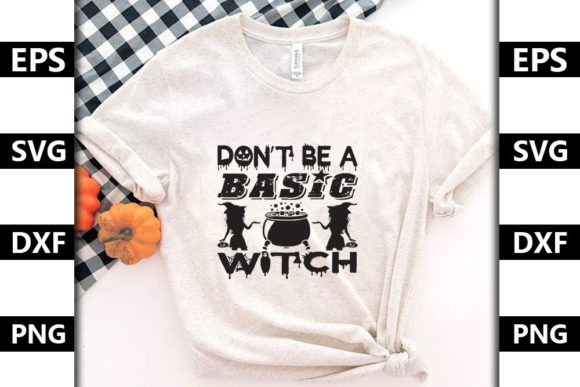
As an embroidery designer who has spent countless hours digitizing and stitching text-based graphics, I approach every new file with a mix of curiosity and skepticism. We have all been there: downloading a trendy machine embroidery design only to find that the kerning is off, the stitch density is too high for the fabric, or the visual impact gets lost once it is actually on a garment. This season, I took a close look at Halloween Quote Design, Don’t Be a Basic to see if it holds up under the needle. My goal was not just to admire the graphic, but to evaluate its viability for real-world projects, from custom apparel to small shop merchandise.
First Impressions: Mood and Visual Personality
The phrase "Don’t be a basic witch" carries a specific cultural weight. It is playful, slightly sassy, and instantly recognizable to a modern audience. Visually, the design leans into this personality. When I first opened the files, I was looking for clarity in the letterforms. In embroidery, typography is unforgiving. If the letters are too thin, they disappear; if they are too thick, they become stiff cardboard patches on soft fabric.
This particular Graphics asset strikes a balance that suggests it was created with versatility in mind. The layout feels open enough to allow for various stitch types without becoming a dense block of thread. For a designer, this is crucial. It means the mood remains light and fun rather than heavy and industrial. It fits naturally into the current trend of witty, text-heavy T-Shirt Designs that dominate social media feeds during October. However, seeing it on a screen is different from seeing it stitched out. The true test is how those curves and angles translate when a needle hits fabric at 800 stitches per minute.
Real-World Application: The Tote Bag Test
To truly evaluate Halloween Quote Design, Don’t Be a Basic, I imagined a specific project: a custom canvas tote bag for a local boutique. Canvas is a forgiving medium, but it requires careful handling of stitch density. I envisioned placing this quote centrally on the bag, perhaps using a contrasting thread color like bright orange or neon green against a natural beige or black canvas.
In this scenario, the design performs well because the message is short and punchy. Customers browsing a craft fair or an Etsy shop often make split-second decisions based on readability. A design that can be read from three feet away has higher commercial value. For a handmade product like a tote, the quote adds personality without overwhelming the utility of the item. It transforms a simple bag into a personalized gift or a statement piece. I could also see this working beautifully on a sweatshirt, where the texture of the fleece would complement the raised texture of the embroidery, provided the stabilizer is chosen correctly.
Versatility Across Product Lines
Beyond totes and sweatshirts, this design has potential across a wide range of items. For baby embroidery, one might need to scale it down significantly, though the "witch" theme might be more appropriate for older children or adult novelty gifts. It would shine on aprons for Halloween parties, adding a touch of humor to the kitchen decor. For embroidered patch creators, this quote is ideal. Patches allow for higher stitch density and more experimental thread colors, such as metallics or variegated threads, which can elevate the "magic" aspect of the witch theme.
If you are an Etsy seller or run a small shop product line, having a design that works on multiple substrates is key to profitability. You can offer this as part of a bundle: a matching set of a tote, a tee, and a pillow cover. The consistency of the branding helps build customer trust. When a buyer sees the same high-quality execution across different items, they perceive the brand as professional and reliable.
Technical Considerations and Stitching Challenges
While the concept is strong, the execution depends entirely on how you handle the technical side of embroidery. Since the product description notes that the ZIP file contains EPS, SVG, PNG, and DXF files, it is important to clarify what this means for embroiderers. These are primarily vector and raster image formats, often used for cutting machines and vinyl applications. If you are using these for embroidery, you will likely need to digitize them yourself or ensure you have a compatible digital embroidery file format like PES, DST, or JEF, depending on your machine.
Important Note: Always check the specific license terms before selling finished items. Just because a file is available for download does not automatically grant commercial rights for physical goods. Confirm whether the creator allows for commercial embroidery use.
When preparing to stitch, pay close attention to stitch density. Text designs can easily pull or pucker lightweight fabrics. If you are stitching on a thin cotton t-shirt, use a cut-away stabilizer to support the weight of the thread. For stretchy fabrics like jersey knits, a hoopless frame or a specialized stabilizer combination is essential to prevent distortion. The "basic" font style likely uses a mix of satin stitch for smaller elements and fill stitch for larger letters. Ensure your machine is calibrated to handle the transition between these stitch types smoothly to avoid thread breaks.
Navigating Fabric and Hoop Constraints
Placement matters. On curved surfaces like caps, the design needs to be centered perfectly to avoid looking skewed. The width of the quote should fit comfortably within your standard hoop size, typically 4x4 or 5x7 inches. If the design is too wide, you may need to resize it, which can affect the legibility of the smaller details. Always test the design on scrap fabric first. Check how the thread colors interact with the fabric texture. Dark fabrics may require an underlay stitch in white or light gray to make the top colors pop, while light fabrics might show shadows from dense stitching if not properly stabilized.
Avoid using this design on highly textured fabrics like thick wool or terry cloth unless you use a topping sheet. The intricate edges of the letters can get lost in the pile of the fabric, ruining the crispness of the message. For holiday embroidery projects that need frequent washing, ensure your thread quality is high and your tension is balanced to prevent unraveling over time.
Enhancing Brand Value and Customer Engagement
From a business perspective, Halloween Quote Design, Don’t Be a Basic is more than just a pretty picture; it is a tool for engagement. Humorous and relatable quotes drive shares on social media. When a customer posts a photo of their new embroidered sweatshirt with this quote, they are doing your marketing for you. It creates a sense of community among buyers who identify with the "non-basic" aesthetic.
To maximize this effect, consider how you present the finished product. Use high-quality printable mockup images that show the texture of the stitches. Show the design on different backgrounds to help customers visualize it on their preferred items. Consistency in your presentation reinforces your brand identity. Whether you are selling design assets or finished goods, the perceived value increases when the craftsmanship is evident.
Final Verdict for Designers and Makers
In conclusion, Halloween Quote Design, Don’t Be a Basic is a solid contender for your autumn catalog. It captures the zeitgeist of modern Halloween humor while offering enough flexibility for various applications. However, success lies in the details. Do not skip the test stitch. Do not ignore the stabilizer requirements. And most importantly, verify your file formats and licensing rights.
For the experienced designer, this is a canvas for creativity. For the beginner, it is a lesson in the importance of preparation. Whether you are creating a custom apparel line, crafting personalized gifts for friends, or stocking your online store, this design can add significant value if treated with respect and technical precision. Embrace the challenge, refine your technique, and let your stitching speak for itself. After all, in the world of handmade goods, being "basic" is the one thing we never want to be.