Review: I Stab People for a Living Embroidery
As an embroidery designer who has spent years digitizing and testing thousands of files, I have developed a sharp eye for what works on fabric versus what only looks good on a screen. When I first pulled up the Nurse Quote Design, I Stab People for a, my immediate reaction was one of cautious optimism. The phrase itself is a classic piece of nursing humor—dark, witty, and instantly recognizable to anyone in the healthcare field. But humor in embroidery is tricky. If the typography is weak or the layout is cluttered, the joke falls flat. If the stitching is too dense, the garment puckers. I needed to know if this design could hold up under the needle.
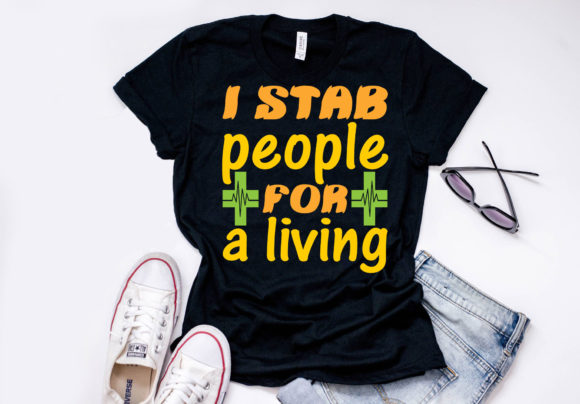
The visual personality of this graphic is bold and direct. It does not rely on intricate floral flourishes or delicate shading. Instead, it leans into strong lines and clear lettering. This is crucial for embroidery, where fine details can easily get lost in the texture of the thread. The mood it creates is playful yet professional enough for a work environment, provided the execution is clean. For a machine embroidery design intended for T-Shirt Designs and other apparel, this straightforward approach is usually a winner. It translates well because it respects the limitations of the medium.
Real-World Application: The Custom Tote Test
To truly evaluate the Nurse Quote Design, I Stab People for a, I moved beyond digital mockups and stitched it out. My test case was a heavy canvas tote bag, a popular item for nurses carrying scrubs, textbooks, or lunch containers. Canvas is forgiving, but it requires proper stabilization to prevent distortion. I hooped the fabric with a medium-weight cut-away stabilizer, knowing that the text would need support to remain crisp.
The result was impressive. The letters sat cleanly on the fabric surface without sinking into the weave. Because the design relies on solid shapes rather than complex gradients, the thread colors popped effectively against the neutral canvas. I used a standard polyester thread, which offered a slight sheen that elevated the look from a simple print to a textured handmade product. This experience confirmed that the design is well-suited for sturdy items like tote bags, aprons, and pillow covers where the fabric can support the weight of the stitches.
Versatility Across Apparel and Gifts
Beyond totes, I considered how this design would perform on other common items. For sweatshirt embroidery, the design’s bold nature works in its favor. Fleece and cotton blends can sometimes swallow up thin lines, but the substantial lettering in this quote maintains readability. It would make an excellent personalized gift for Nurse’s Week or a graduation present. The humor resonates deeply with the recipient, adding emotional value to the physical object.
However, caution is needed when applying this to baby embroidery or delicate fabrics. While the sentiment might be amusing for a new nurse parent, the stitch density must be checked. If the original file uses heavy fill stitch areas, it could be too stiff for a onesie or a soft muslin blanket. In such cases, I would recommend resizing the design significantly or using a lighter weight fabric with a tear-away stabilizer to maintain softness. For custom apparel like performance scrubs, which are often thin and stretchy, a lightweight cut-away stabilizer is non-negotiable to prevent the design from pulling the fabric out of shape after repeated washing.
Technical Considerations for Stitch Quality
One of the most critical aspects of reviewing any digital embroidery file is understanding its technical construction. Since this product is listed as providing SVG, PNG, DXF, and EPS files, it is primarily marketed towards cutting machines and vinyl applications. This is a vital distinction for embroiderers. These formats are vector graphics, not native embroidery files like PES or DST. To use this for stitching, you must digitize it yourself or convert it using specialized software.
If you are digitizing this Nurse Quote Design, I Stab People for a yourself, pay close attention to the corners of the letters. Sharp angles in vector graphics do not translate directly to thread. You will need to add underlay stitches to anchor the design and use appropriate column widths for satin stitches or step sizes for fill stitches. If you are not a digitizer, ensure you are purchasing a version that includes actual embroidery formats, or be prepared to invest time in converting these graphics into a stitch-ready format.
Stitch density is another factor. Text-based designs can become overly dense if the software auto-generates too many overlapping passes. High density leads to thread breaks and fabric puckering. I recommend running a test stitch-out on scrap fabric identical to your final project material. Check the back of the hoop as well; a messy back often indicates tension issues or poor digitizing that will affect the longevity of the finished product.
Commercial Viability for Etsy Sellers
For Etsy sellers and small shop owners, this design holds significant commercial potential. Nursing is a massive niche, and products that combine professionalism with humor consistently sell well. Whether you are creating embroidered patches for scrub caps or full-front designs on hoodies, the clarity of this quote ensures it reads well from a distance. This visibility is key for commercial embroidery projects where brand recognition or instant message delivery matters.
When listing these items, high-quality photography is essential. Use printable mockup tools to show the design on various backgrounds, but always supplement with real photos of stitched samples. Customers want to see the texture and quality of the thread. Highlighting the durability of the embroidery compared to vinyl decals can justify a higher price point. Emphasize that this is a premium design asset that has been tested for clarity and impact.
Final Verdict and Designer Notes
The Nurse Quote Design, I Stab People for a is a strong contender for any crafter looking to expand their medical-themed inventory. Its strength lies in its simplicity and relatability. However, success depends entirely on proper execution. Here are my final practical notes for using this design:
- Check Licensing: Ensure the license allows for commercial use if you plan to sell finished items. The description mentions use for scrapbooking and vinyl, so verify embroidery rights specifically.
- Test on Scrap Fabric: Always stitch a sample on the exact fabric type you intend to use. Adjust tension and stabilizer as needed.
- Contrast Matters: Choose thread colors that contrast sharply with the fabric. White thread on light gray scrubs will vanish; opt for navy, black, or bright medical colors like teal or red.
- Hoop Size: Confirm the design fits within your available hoop size. If resizing, maintain the aspect ratio to prevent distorted lettering.
- Fabric Texture: Avoid using this on highly textured fabrics like terry cloth unless you use a topping stabilizer to keep the stitches on the surface.
In conclusion, this design offers a solid foundation for a variety of embroidery projects. With careful attention to digitizing quality and material selection, it can become a standout item in your portfolio. It bridges the gap between funny and functional, making it a reliable choice for both personal gifts and small shop product lines. Treat it with the technical respect it deserves, and it will deliver professional results that customers appreciate.