Hang in There: A Designer’s Take on Construction SVG
As an embroidery designer who has spent years digitizing files and reviewing assets for client projects, I have learned that not every graphic translates well to thread. We often browse marketplaces looking for the next big seller, scrolling through endless Print Templates and Graphics, hoping to find something that balances visual appeal with technical feasibility. Recently, I took a closer look at the Hang in There, Construction Svg Quote. While the product description highlights its versatility for printing on t-shirts, mugs, and cushions, my interest lies in how this design performs when put under the needle. Is it a viable asset for a serious craft business, or is it better left for paper crafts? Let’s dive into the practical realities of using this design in real-world embroidery scenarios.
First Impressions: Mood and Visual Personality
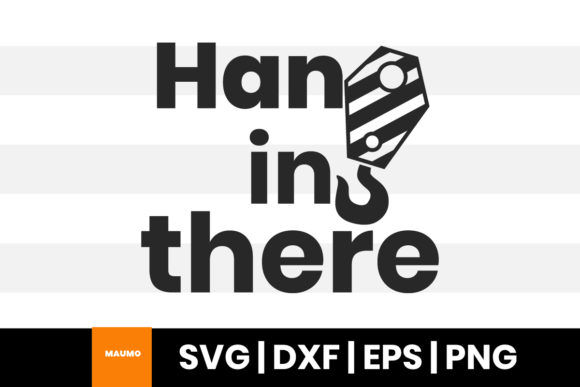
The first thing that strikes me about the Hang in There, Construction Svg Quote is its inherent charm. The theme taps into a playful, resilient mood that resonates with a wide audience. Whether it is for a construction worker’s gift, a humorous take on daily struggles, or a cute nursery decor piece, the layout feels approachable. The visual personality is bold yet friendly, which is crucial for embroidery. In machine embroidery, overly intricate details can get lost, but this design appears to have a clarity that suggests it would stitch out cleanly.
When I visualize this as an embroidery project, I imagine it working best on items that allow for a bit of whimsy. It does not scream high-fashion luxury; instead, it shouts comfort and personality. This makes it an ideal candidate for custom apparel like sweatshirts or tote bag design concepts where the message is the star. The shape and theme suggest a design that benefits from solid fills rather than delicate shading, making it a strong contender for durable, everyday items.
Real-World Application: From Digital File to Finished Product
Let’s consider a specific scenario. Imagine you are preparing a custom order for a local boutique that specializes in humorous, relatable gifts. You decide to use the Hang in There, Construction Svg Quote for a line of sweatshirt embroidery. The heavy fabric of a cotton blend sweatshirt provides the perfect canvas. The design’s likely bold lines would stand out against the textured background, creating a tactile experience that customers love.
However, the product description notes that you receive an SVG file and a DXF file, primarily intended for cutting machines like Cricut or Silhouette. This is a critical distinction for us as embroiderers. An SVG is a vector path, not a stitch file. To use this in commercial embroidery, you must digitize it yourself or convert it using specialized software. This step is where your expertise adds value. You will need to determine the appropriate stitch density and choose between satin stitch for borders and fill stitch for larger areas. If you are selling this as a handmade product, ensuring that the digitization respects the original artistic intent is paramount.
For Etsy sellers and small shop product creators, this design offers flexibility. It could easily be adapted into an embroidered patch if you add a border and use a tear-away stabilizer. Patches are trending, and a quote like this fits perfectly on denim jackets or backpacks. Alternatively, consider baby embroidery on a onesie. The phrase "Hang in There" takes on a sweet, encouraging tone for new parents. However, you must scale it down carefully to fit the small hoop size required for infant garments, ensuring no tiny details become unmanageable.
Technical Considerations and Fabric Constraints
While the design is charming, we must address where it should be used carefully. Embroidery behaves differently depending on the fabric texture and type. If you plan to stitch this on a thin, stretchy fabric like a lightweight t-shirt, you risk puckering. The weight of the thread can distort the material. In such cases, using a cut-away stabilizer is non-negotiable. For dark fabric, you will need to pay close attention to thread colors. High contrast is essential for readability. A bright yellow or orange thread might pop nicely against navy blue, reinforcing the construction theme, but you must test this combination on scrap fabric first.
Curved surfaces present another challenge. If you are attempting cap embroidery, the design must be simplified. Complex curves in the lettering or graphics can cause registration issues on a curved hoop. You might need to adjust the pull compensation in your digitizing software to prevent gaps between stitches. Similarly, avoid placing this design on areas of custom apparel that undergo frequent stretching, such as the sides of a fitted shirt, as the stitches may break or distort over time.
Another consideration is the level of detail. If the SVG contains very fine lines or tiny text elements, these may not translate well to thread. Thread has thickness; it cannot replicate the precision of a printed ink line. You may need to thicken certain elements during the digitization process to ensure stitching clarity. Always inspect small details closely before committing to a final run. A printable mockup can help visualize the scale, but nothing replaces a physical test stitch.
Enhancing Brand Value and Customer Trust
Using a well-chosen design like Hang in There, Construction Svg Quote can significantly impact your brand consistency. For creative entrepreneurs, offering unique, well-executed designs builds customer trust. When a buyer receives a personalized gift that looks professional and durable, they are more likely to return. The perceived value of an embroidered item is higher than a printed one, provided the quality is there. Clean edges, proper tension, and thoughtful color choices signal professionalism.
This design also lends itself well to holiday embroidery or seasonal promotions. Think of Father’s Day gifts for dads in the trades, or back-to-school items with a motivational twist. By positioning this design within a specific niche, you increase its relevance and appeal. It becomes more than just a graphic; it becomes a solution for a customer looking for a meaningful finished product.
Practical Notes for the Embroidery Designer
Before you list this as a digital embroidery file or use it in your craft business, here are some actionable steps:
- Verify Licensing: The product description mentions it is for various projects, but always confirm if commercial use is allowed for embroidered goods. Some licenses restrict digital resale but allow physical sales.
- Digitize with Care: Since you are starting with an SVG/DXF, you are responsible for the stitch generation. Use running stitch for underlay to secure the fabric, and choose fill directions that complement the shape of the letters and graphics.
- Test on Multiple Fabrics: Stitch out samples on cotton, polyester, and blends. Check how the stabilizer interacts with each material.
- Check Contrast: View your design in black and white to ensure the shapes are distinct without relying on color. This helps in assessing readability on varied backgrounds.
- Scale Appropriately: Ensure the design fits standard hoop sizes (4x4, 5x7, 6x10) without losing integrity. Avoid scaling it so small that the text becomes illegible.
In conclusion, the Hang in There, Construction Svg Quote is a promising asset for those willing to put in the digitizing work. It offers a blend of humor and resilience that appeals to a broad market. By approaching it with a designer’s eye for detail and a technician’s understanding of thread and fabric, you can transform a simple vector file into a standout embroidery file that enhances your design assets portfolio. Whether for a tote bag, a pillow cover, or a kitchen towel, this design has the potential to become a staple in your small shop product lineup, provided you respect the technical constraints of the medium.